Digital Transformation Horizontal Flyer
As a designer who’s spent years working with machine embroidery designs, I always start by evaluating a new file based on its visual appeal, practicality, and how it translates to real-world use. The Digital Transformation Horizontal Flyer is a print template that promises a modern, professional look with a grey background and infographic elements. But what does it actually bring to an embroidery project?
First Impressions: A Bold, Modern Template
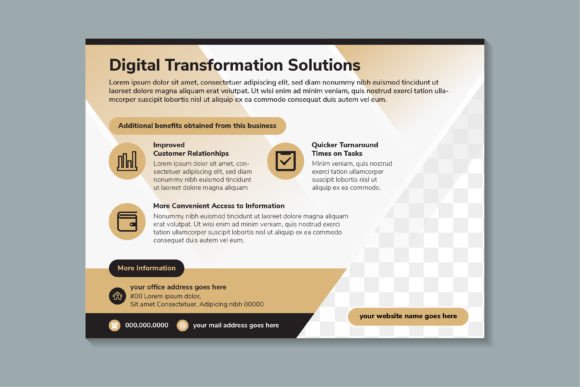
The Digital Transformation Horizontal Flyer immediately catches the eye with its clean, horizontal layout. The gradient transparency of brown and black over the grey background gives it a sophisticated, almost techy feel. It’s not just a design—it’s a statement. The infographic style suggests it’s meant for something sleek, like a business or event flyer. But when considering embroidery, this template feels more like a digital mockup than a direct embroidery file.
It has space for a photo collage, which could be useful for personalized gifts or custom apparel. However, the complexity of the design might not translate well to embroidery without some adjustments. The intricate details and layered elements could become lost in stitch, especially if the design isn’t simplified for embroidery purposes.
Real-World Use: Where It Fits Best
When thinking about using the Digital Transformation Horizontal Flyer in an embroidery project, it naturally lends itself to larger items like tote bags, sweatshirts, or aprons. These items have enough surface area to accommodate the design without feeling cramped. The horizontal format also makes it ideal for long, flowing pieces like pillow covers or tea towels.
For example, imagine creating a custom embroidered tote bag for a small shop. The Digital Transformation Horizontal Flyer could serve as a base for a modern, branded design. The grey background would stand out nicely on a white or light-colored fabric, while the brown and black gradient adds depth and contrast. However, if you’re planning to use it on a dark fabric, the design might not show up as clearly, and you’d need to adjust thread colors accordingly.
Where to Be Cautious
While the Digital Transformation Horizontal Flyer has a strong visual presence, it’s not without its challenges. If you’re working with small hoop sizes, this design might be too large to fit comfortably. That could lead to stitching issues or the need for multiple hooping sessions, which can be time-consuming and less efficient.
Textured or stretchy fabrics could also pose a problem. The design’s intricate details may not hold up well on materials that aren’t stable. Thin or lightweight fabrics might cause the stitches to pucker or distort, especially if the stabilizer isn’t properly applied. For baby clothes or delicate items, this design might be too busy or complex.
Additionally, the design’s density could be an issue. If there are areas with heavy fill stitches or satin stitches, they might not lay flat or could cause the fabric to pill over time. This is something to test before committing to a large batch of embroidered products.
Visual Appeal and Customer Perception
The Digital Transformation Horizontal Flyer has a strong visual identity that could enhance the value of a handmade product or personalized gift. When stitched correctly, it adds a professional touch that customers might associate with quality and attention to detail. This is especially important for Etsy sellers or craft business owners looking to build brand consistency.
However, if the design is too complex or doesn’t match the fabric, it could come off as cluttered or unprofessional. Customers expect clarity and precision in embroidery, especially for items like patches, caps, or holiday gifts. The Digital Transformation Horizontal Flyer needs to be carefully adapted to ensure it looks polished and intentional.
Practical Designer Notes
Before jumping into using the Digital Transformation Horizontal Flyer in an embroidery project, I recommend testing it on scrap fabric first. This will help you understand how the design behaves on different materials and whether any adjustments are needed. Check the thread color contrast—especially if you're using it on dark or light backgrounds.
Review the stitch density and make sure the design isn’t too dense in certain areas. Confirm the hoop size required and ensure your embroidery machine can handle it. Small details like lettering or decorative accents should be inspected closely to avoid errors during stitching.
Test the design in black and white mockups to see how it looks without color. Compare it against both light and dark fabric backgrounds to ensure visibility. Use the right stabilizer for the fabric type, and always check the licensing terms before selling finished products or digital files.
Final Thoughts: A Strong Template with Practical Considerations
The Digital Transformation Horizontal Flyer is a visually striking print template that could work well in a variety of embroidery projects. Its modern aesthetic and horizontal layout make it suitable for larger items like tote bags, sweatshirts, and aprons. However, it requires careful consideration when translating it to actual embroidery work.
If you’re an embroidery designer, small business owner, or Etsy seller, this template could be a valuable addition to your design assets. Just remember to test it thoroughly, adapt it where necessary, and ensure it aligns with your brand and customer expectations. With the right approach, the Digital Transformation Horizontal Flyer can elevate your work and add a professional edge to your handmade products.